
Filing for divorce is a major decision, and understanding the process can help reduce uncertainty. This guide explains what to expect when filing for divorce in Massachusetts and how the process generally works.
Divorce can feel overwhelming, especially when you are unsure what the process involves or what decisions you may need to make along the way. While every divorce is different, understanding the basic process in Massachusetts can help you prepare, ask informed questions, and know what to expect as your case moves forward.
Understanding Divorce in Massachusetts
Massachusetts allows both contested and uncontested divorces. In an uncontested divorce, the spouses have reached an agreement on the issues that must be resolved, while a contested divorce involves one or more issues that the parties have not been able to settle. These issues may include property division, alimony, child custody and parenting time, child support, and other financial or family matters.
Starting the Divorce Process
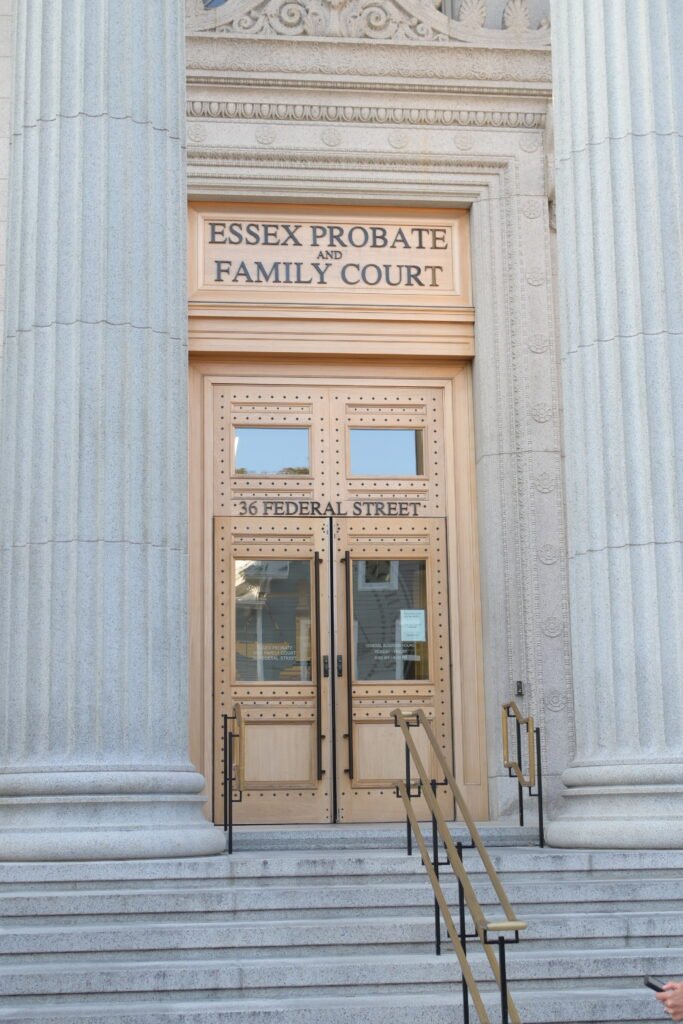
A divorce generally begins when one spouse files the appropriate documents with the Massachusetts Probate and Family Court. The documents required and the way the case proceeds depend in part on whether the spouses are filing jointly or whether one spouse is filing individually. Filing begins the court process, but it is only the first step. Financial information must typically be exchanged, and issues involving children, property, support, and other matters may need to be addressed before the divorce can be finalized.
Issues That May Need to Be Resolved
A divorce involves more than legally ending a marriage. Depending on your circumstances, you and your spouse may need to resolve several important issues before the divorce can be finalized. These may include dividing marital property and debts, determining whether alimony is appropriate, addressing child custody and parenting time, and establishing child support. If the parties cannot reach an agreement, the court may ultimately decide the unresolved issues.
Preparing for the Divorce Process
Taking some time to organize information before and during a divorce can make the process easier to understand and help you have more productive conversations with your attorney. Consider gathering important financial documents, including recent tax returns, bank and investment account statements, retirement account information, mortgage documents, information about debts, and records relating to income and expenses. If children are involved, it can also be helpful to think about their schedules, school arrangements, activities, and the parenting arrangements that may work best for your family.
You do not need to have every issue figured out before speaking with an attorney. One of the purposes of an initial consultation is to discuss your circumstances, identify the issues that may need to be addressed, and better understand the options available to you.
What to Expect Along the Way
The amount of time a divorce takes can vary depending on the circumstances of the case and whether the parties are able to reach agreements on the issues involved. Some divorces can be resolved largely through negotiation and agreement, while others may require court hearings or additional proceedings before the outstanding issues are resolved.
During the process, there may be deadlines, financial disclosures, court appearances, negotiations, and decisions that affect your family and finances. Staying organized, responding promptly to requests for information, and communicating openly with your attorney can help you stay informed and prepared as the case progresses.
Getting Guidance for Your Situation
Every family and every divorce is different. Understanding the general process can help you prepare, but the decisions you make during a divorce can have lasting effects on your family, finances, and future. Speaking with a Massachusetts family law attorney can help you understand how the law may apply to your particular circumstances and what options may be available to you.
Patten Law Office assists individuals and families with divorce and other family law matters in Massachusetts and throughout Essex, Middlesex, and Suffolk Counties. If you have questions about divorce or would like to discuss your situation with Attorney Lindsey A. Patten, contact Patten Law Office to schedule a consultation.
This article is provided for general informational purposes only and is not legal advice. Every situation is different. Reading this article or contacting Patten Law Office through this website does not by itself create an attorney-client relationship.